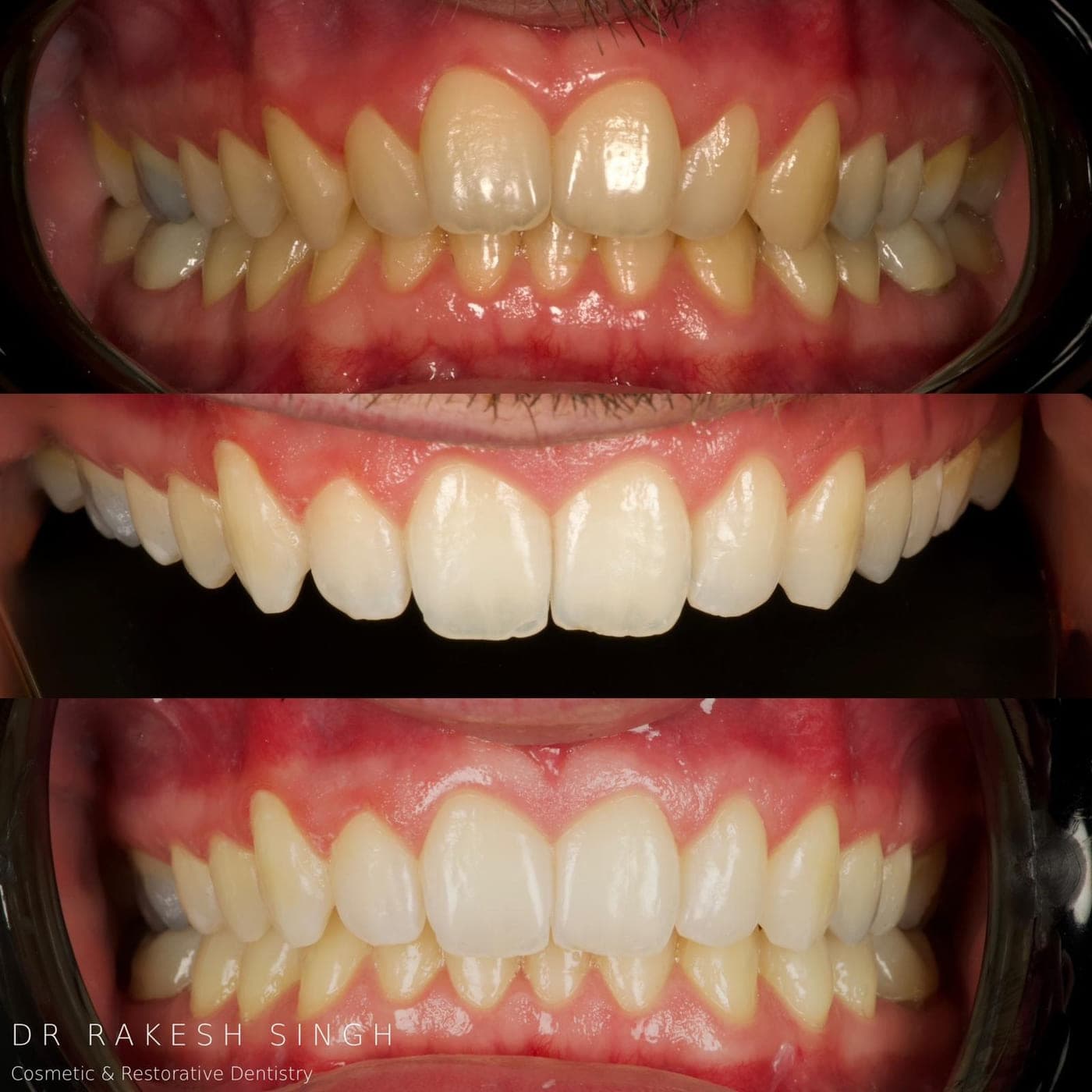
Clear aligners (like Invisalign)
Removable, near-invisible aligners that move teeth gradually into a planned position.
From £2,899
Cosmetic
These are reasons people come in to discuss it, not a checklist that decides whether it is right for you.
Modern techniques allow us to place (and to replace) veneers with very little adjustment to the underlying tooth. Planning comes first either way: photographs, scans and a design that is agreed before any tooth is touched.
Where the plan allows, the design can be trialled in the mouth first, so the shape and proportions can be seen and adjusted before the porcelain is made.
Each veneer is meticulously sculpted by highly skilled technicians and characterised to sit alongside the surrounding teeth. Shade is matched at the planning stage, and where whitening is part of the plan it is completed first so the porcelain can be made to the final shade.
Porcelain keeps its colour, and it is harder-wearing and more chip-resistant than the alternatives. It is the longest-lasting cosmetic enhancement we can make to your smile.
A discussion of what you would like to change, an examination, and photographs and scans from which a design is prepared.
Where the plan allows, the proposed shape is trialled so it can be seen and adjusted before the porcelain is made.
The teeth are prepared to the agreed design, records are taken for the technician, and temporary veneers are placed.
The finished veneers are tried in, checked with you, and bonded. The bite is adjusted and the margins polished.
A follow-up appointment to check the gums, the bite and how the veneers are settling.
Using the latest techniques and the highest-quality materials, our veneers can be placed so that only fractions of a millimetre, if anything, is taken from the underlying tooth.
Porcelain veneers are a long-term restoration. Looked after and maintained well, they can be expected to last 15 years or more, and much longer in some cases.
The design stage exists to answer this before any treatment starts. Shape, proportion and shade are agreed against your own face and the rest of your teeth, and nothing is done permanently until you have approved the design.
Dr Rakesh uses E.max for the majority of his veneers, and in some cases feldspathic porcelain. Each veneer is bonded to the underlying tooth using the highest-quality adhesives available.
Dental treatment is planned for the individual. Whether any treatment described here is appropriate for you can only be established at a clinical assessment, and the options discussed with you may differ from those set out on this page. Photographs show the outcome for one patient and are not a prediction of anyone else’s result.
Removable, near-invisible aligners that move teeth gradually into a planned position.
From £2,899
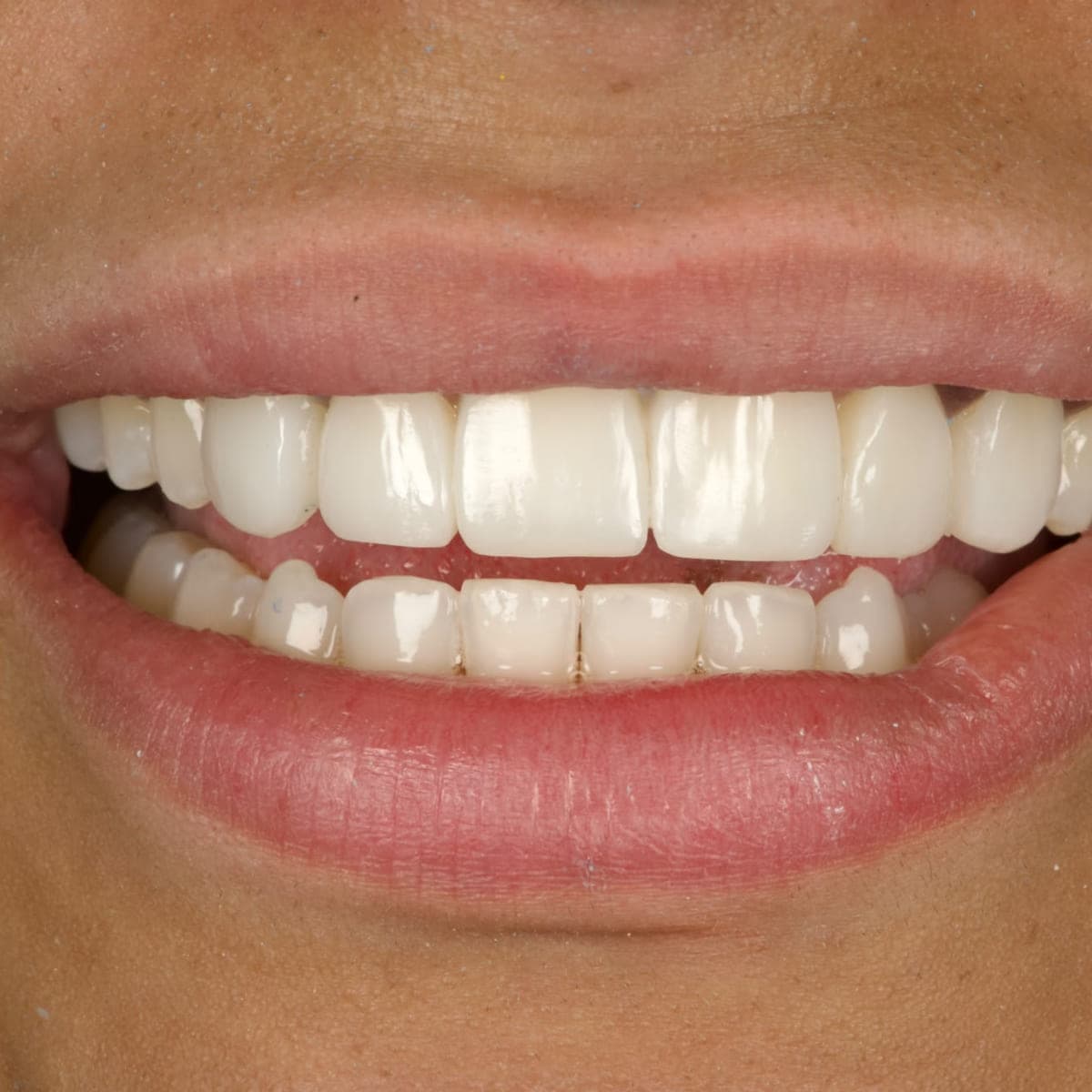
Tooth-coloured composite shaped directly onto the tooth to rebuild edges, close gaps or even out proportions.
From £300 per tooth
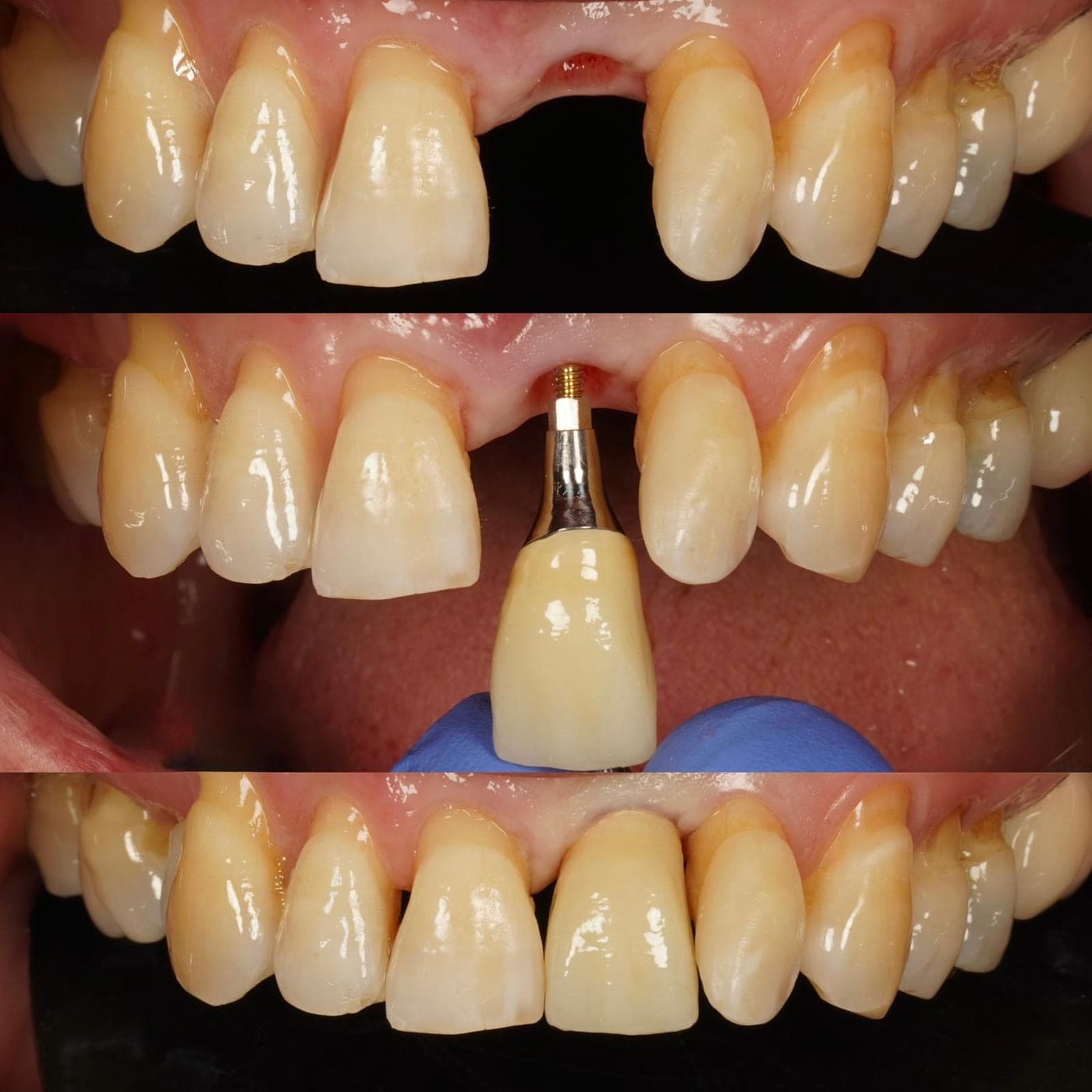
A crown supported by an implant, replacing a missing tooth without involving the teeth either side.
FeeConfirmed at consultation
An examination, a conversation about what you would like to change, and a written plan to take away.