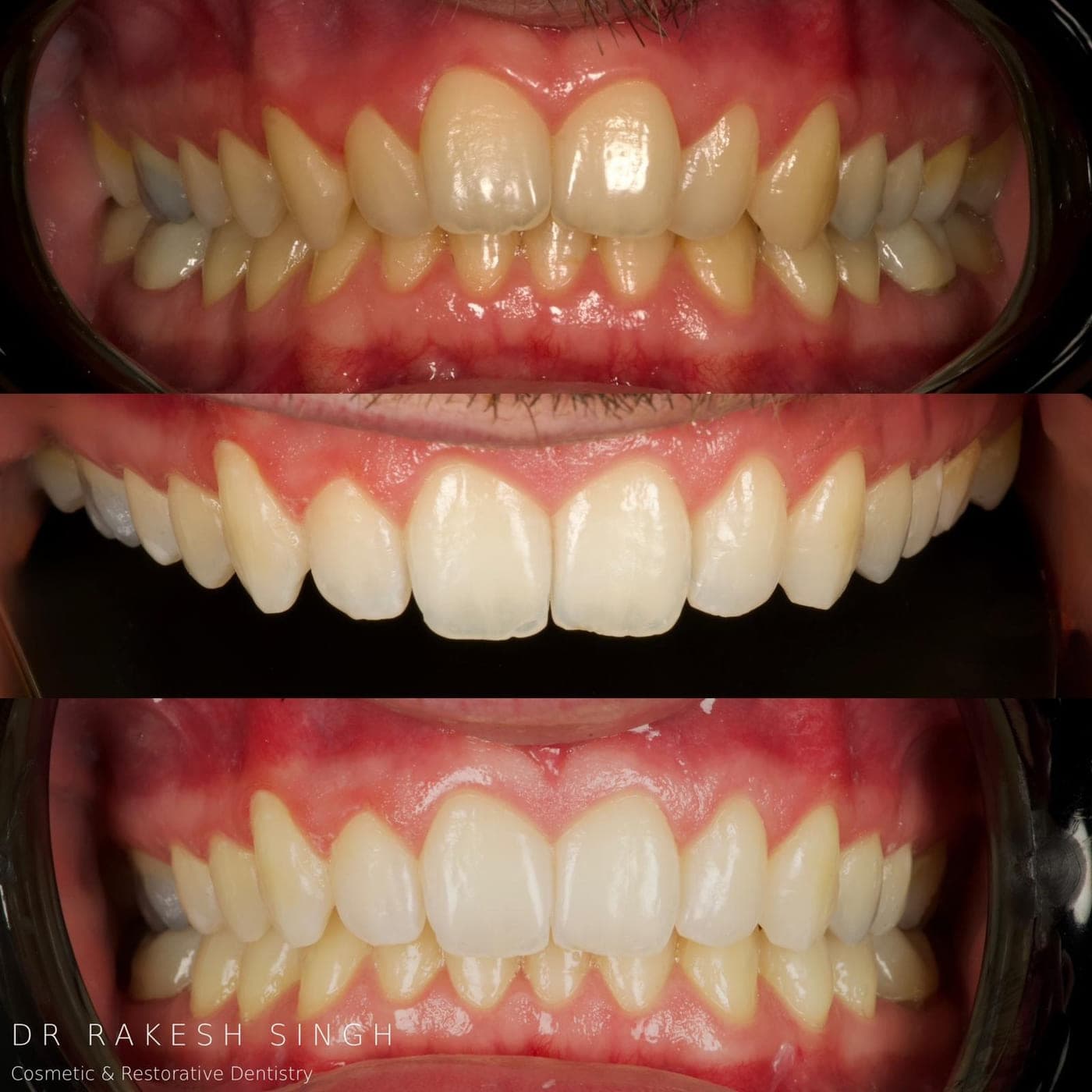
Clear aligners (like Invisalign)
Removable, near-invisible aligners that move teeth gradually into a planned position.
From £2,899
Cosmetic
These are reasons people come in to discuss it, not a checklist that decides whether it is right for you.
Whitening is mostly done in your own time, at home. We take a scan or impression of your teeth and make trays that fit them exactly, then dispense the gel and show you how to use it: high-quality gels and custom trays, used gently over a couple of weeks, to get the best result your teeth will give.
An examination comes first because whitening is not appropriate over untreated decay, active gum disease or certain restorations, and because the cause of the discolouration affects how it will respond.
Existing fillings, crowns and veneers do not change shade. Where these are visible in the smile, whitening can make them stand out, and any plan to replace them is discussed beforehand.
Sensitivity during whitening is common and usually temporary. How to manage it is covered when the trays are fitted.
A check of the teeth and gums, a record of the starting shade, and a discussion of what is realistic.
A scan or impression is taken and trays are made to fit your teeth.
The trays are fitted, the gel is dispensed, and the wear routine and sensitivity advice are explained.
The shade is reviewed against the starting record and next steps discussed.
It depends on your starting shade and the cause of the discolouration, and the starting shade is recorded so the change can be measured against something objective. When the instructions are followed, most patients see a significant improvement in the shade of their teeth.
No. Restorations keep their shade, so where they are visible in the smile they may need replacing afterwards to match. This is identified before whitening starts.
It is common during whitening and usually settles once treatment finishes. Ways to reduce it are covered when the trays are fitted.
The shade gradually drifts back, at a rate that depends on diet and habits. Trays are kept so the shade can be topped up, and how to do that safely is explained.
Dental treatment is planned for the individual. Whether any treatment described here is appropriate for you can only be established at a clinical assessment, and the options discussed with you may differ from those set out on this page. Photographs show the outcome for one patient and are not a prediction of anyone else’s result.
Removable, near-invisible aligners that move teeth gradually into a planned position.
From £2,899
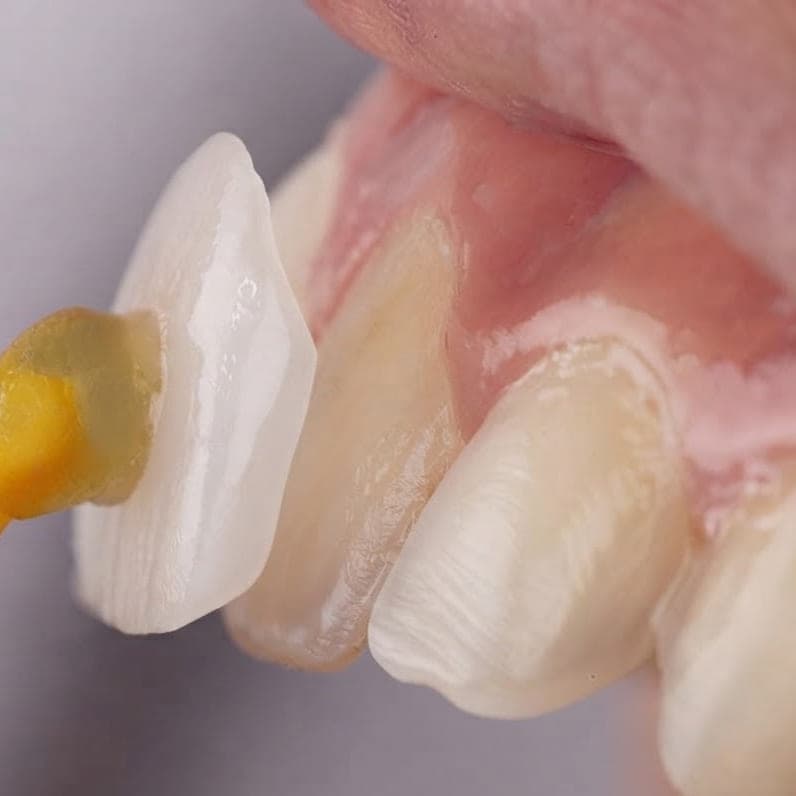
Thin, individually made porcelain facings that change the shape, edge line and shade of front teeth.
From £850 per tooth
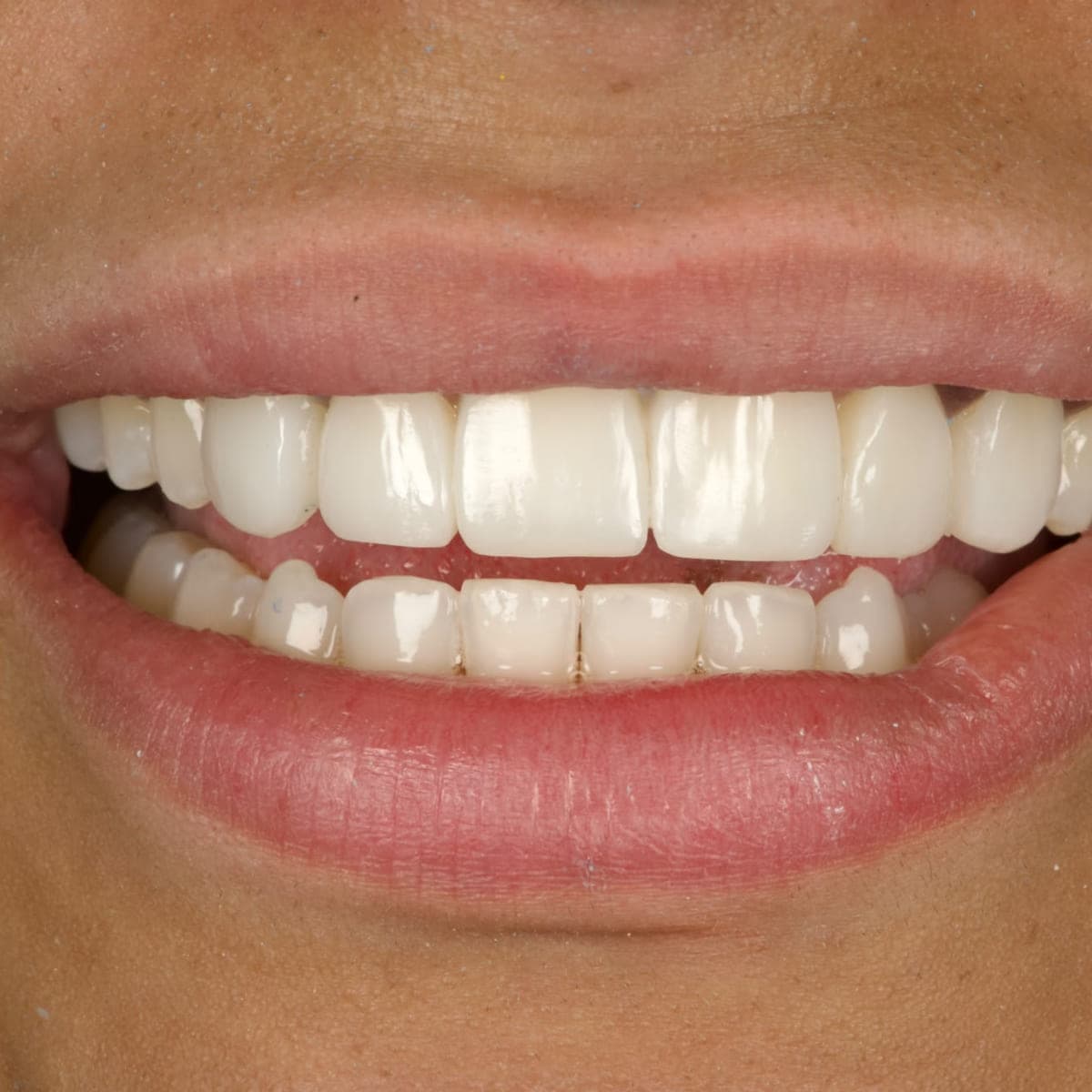
Tooth-coloured composite shaped directly onto the tooth to rebuild edges, close gaps or even out proportions.
From £300 per tooth
An examination, a conversation about what you would like to change, and a written plan to take away.